Commissioning verifies that a building's systems work as designed, and that they work together under real conditions. It is the difference between a building that has been finished and one that has been checked.
1 of 3
ACG-accredited companies in Europe
CxA
ACG-certified
1y
seasonal verification after handover
What is Commissioning?
Commissioning is the systematic verification of building systems: that they are installed as designed, perform to specification, and operate correctly together. It covers documentation review, functional testing, seasonal verification and operator training.
Buildings that are not commissioned commonly run with simultaneous heating and cooling, controls working against each other, and setpoints that are never reached. Each of those is a fault that costs money every day it goes unnoticed. Commissioning finds them while they are still items on a list rather than fixtures in the utility bill.
We provide fundamental and enhanced commissioning, with the correspondence held in-house. Our Commissioning Authority is certified through ACG, an accreditation held by three companies in Europe, and we are the only one in Italy. On projects we also designed, commissioning checks our own work; on projects we did not, it is an independent check by engineers who design comparable systems.
the process
How Commissioning works
step 01
Planning
The commissioning plan, the owner's requirements and the systems in scope, with documentation prepared to ASHRAE and SMACNA guidelines and the activities scheduled against the construction programme.
step 02
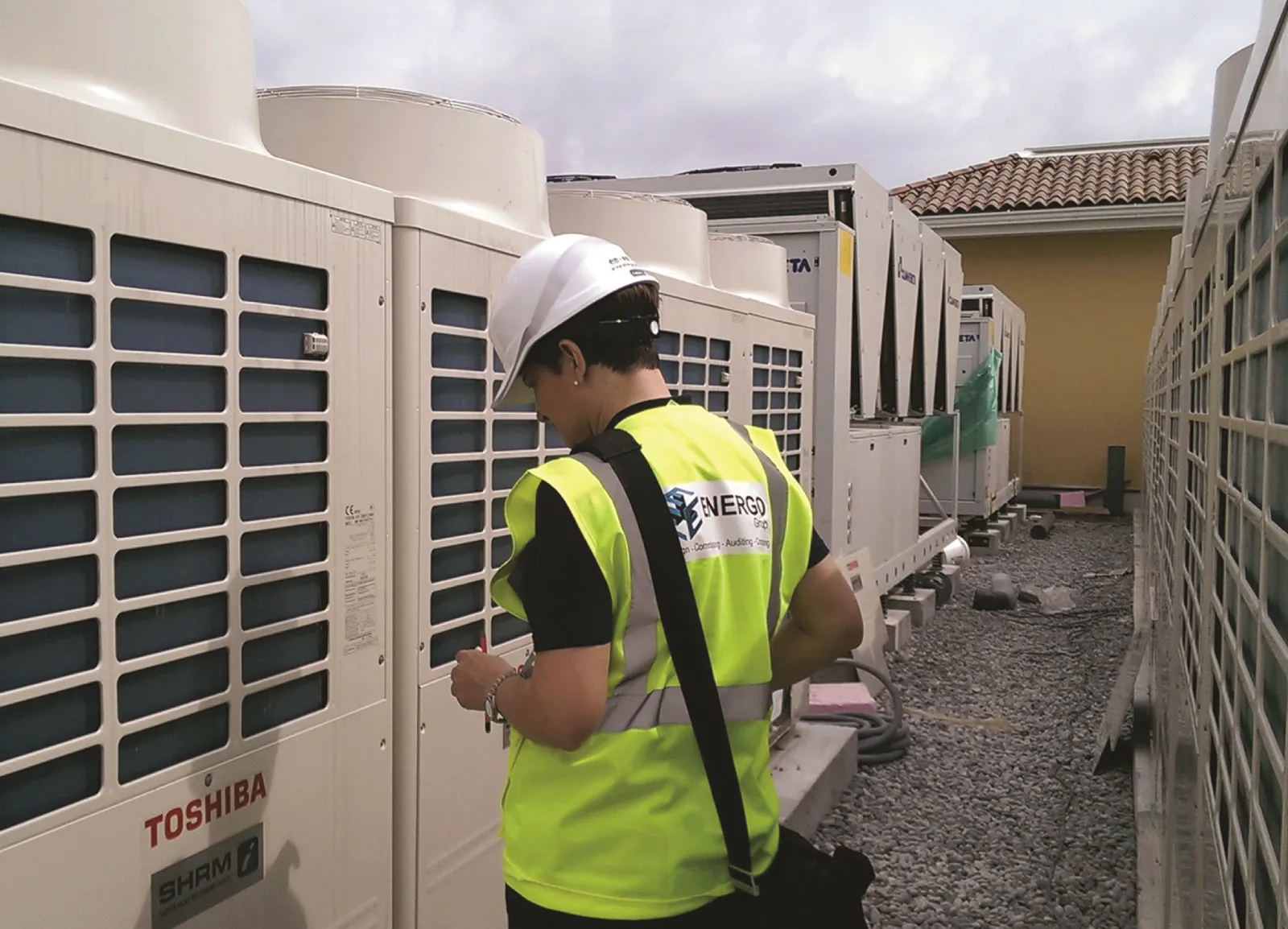
Installation verification
Site inspections as systems go in, when correction is simplest.
step 03
Functional testing
Systems exercised through their sequences and their interactions, with faults logged and retested until closed.
step 04
Seasonal verification and handover
Opposite-season testing, operator training, and the first operating year followed to a stable close.
from our portfolio
Commissioning projects we've delivered
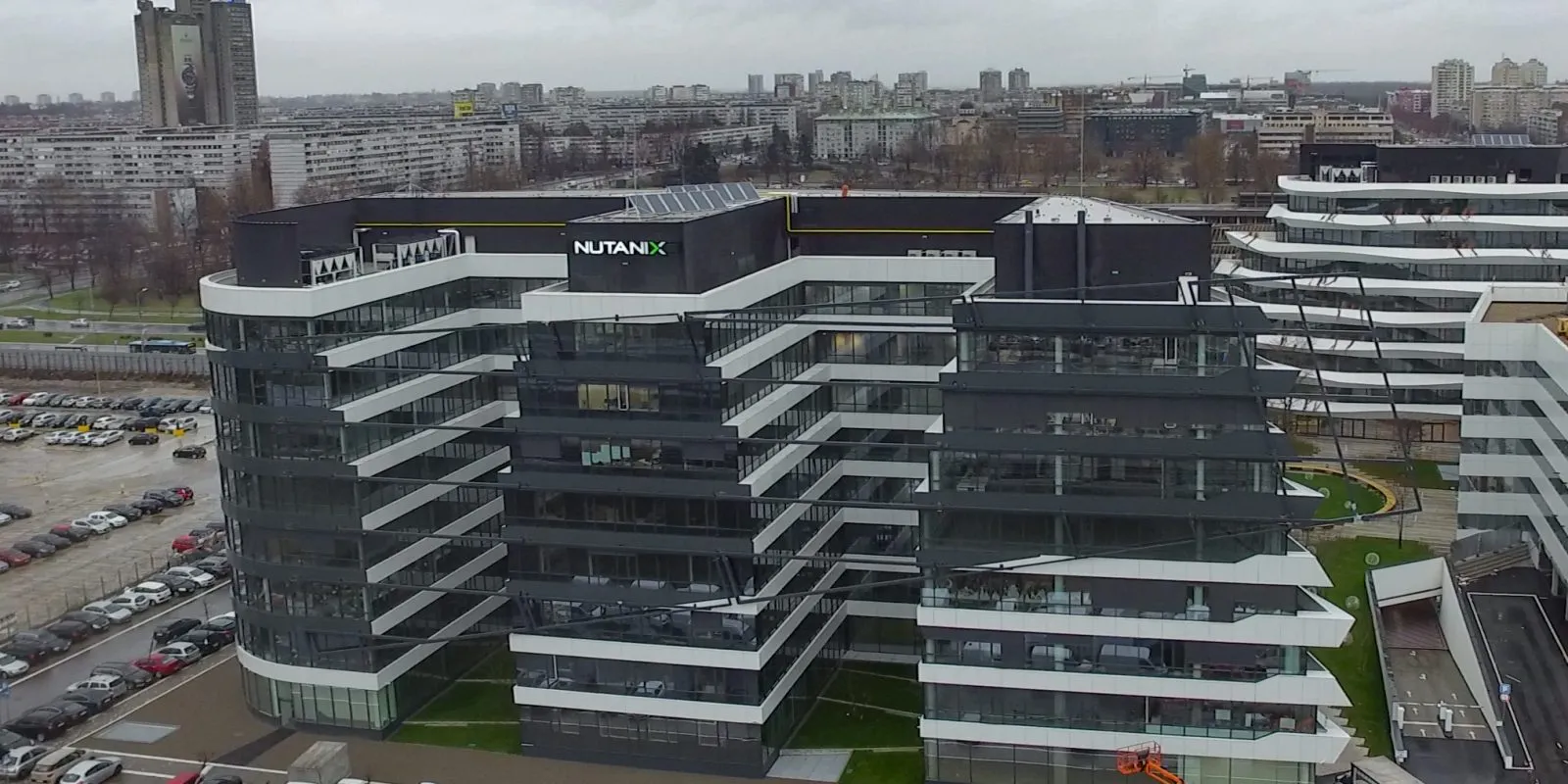
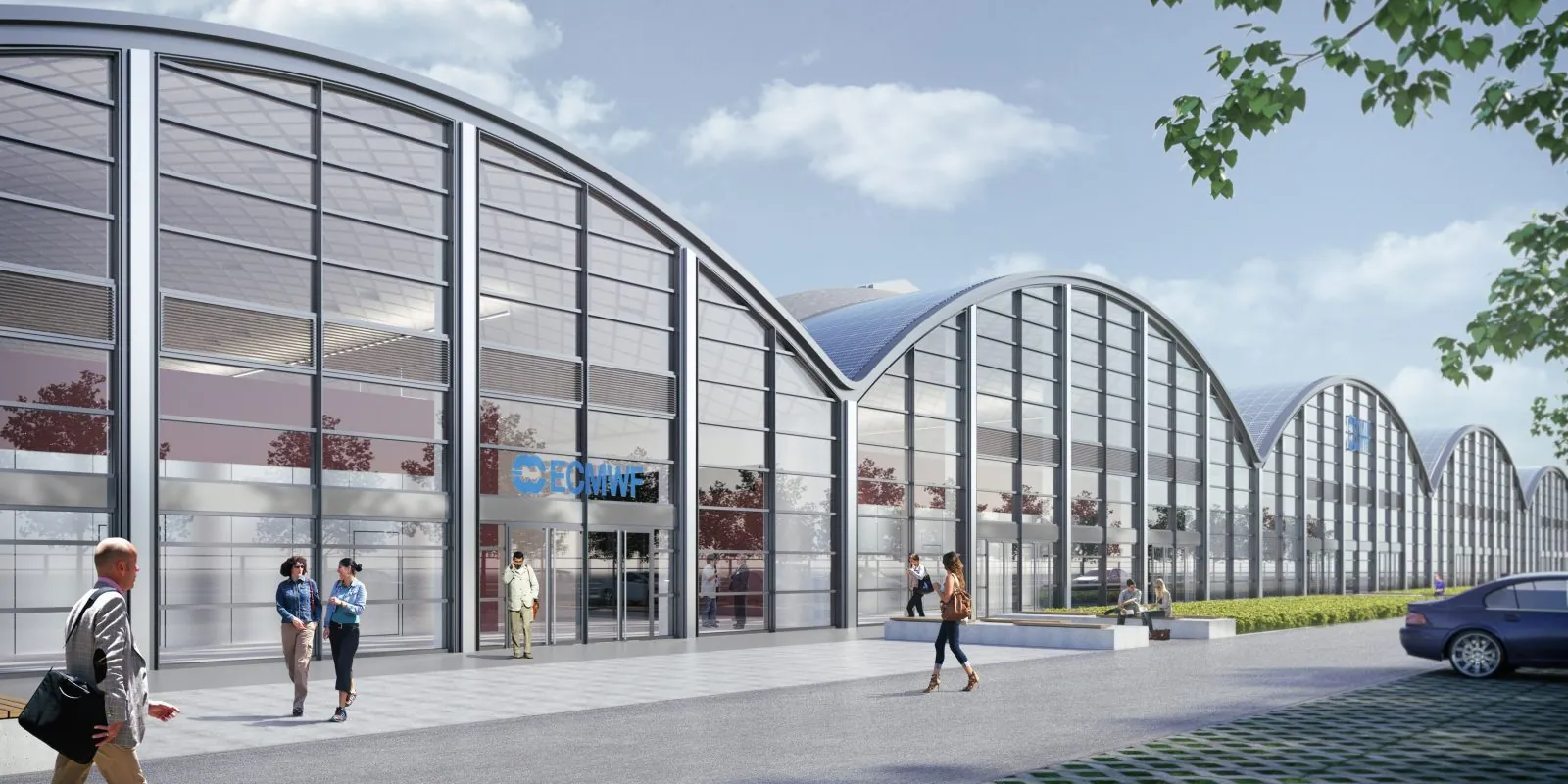
Commissioning appears across the portfolio wherever performance had to be demonstrated rather than assumed, from shopping centres and hotels to a hospital and a cruise ship.
Commissioning is often treated as a handover formality, and that is where buildings quietly acquire the faults they keep: systems working against each other, setpoints never reached, control sequences never properly exercised.
What decides the outcome is whether the person testing has the depth to recognise a fault and the independence to record it plainly.
01 accreditation
ACG-certified authority
Our Commissioning Authority holds ACG certification: we are one of three companies in Europe to hold it, and the only one in Italy. The accreditation matters in practice because commissioning findings need to carry weight with contractors and certification reviewers, and a certified authority's findings do.
02 certification
Fundamental and enhanced Cx
Fundamental commissioning is a LEED prerequisite and enhanced commissioning is a credit. We deliver both to the reference guide, with the documentation prepared in the form the review expects.
03 handover
Records built for operation
Issue logs, test records and closures are kept in order and handed over as a set. For the operations team, that archive is the fastest route to understanding how the building is supposed to run.
04 verification
Performance-driven approach
Systems that pass in summer can fail in January. Our scope runs through the opposite season and the first operating year, rather than ending on the date of the certificate.
Related services
mep
MEP Design
Mechanical, electrical and plumbing design from concept to construction issue, engineered against a modelled performance target and verified after handover.
The most widely used green-building rating system, across new construction, interiors, existing buildings and homes. We hold GBCI Proven Provider status for BD+C.
Bring us in before the contractor's programme fixes the testing windows, and we will scope the commissioning against the project's certification needs and calendar.