An EPD is a product's verified environmental record: standardised, independently checked, and increasingly a condition of being specified in certified buildings. We help manufacturers produce them and project teams use them.
EN 15804
core standard
ISO 14025
declarations
Type III
third-party verified declaration
What is an EPD?
An Environmental Product Declaration reports a product's lifecycle impacts, embodied carbon foremost, calculated to EN 15804 and verified independently under ISO 14025. A product-specific, third-party verified declaration of this kind is a Type III EPD, published through a programme operator such as the International EPD System. It is not a label or an endorsement. It is a data sheet, and its neutrality is what makes it usable.
Demand comes from two directions. Certification frameworks reward projects that specify products with declarations, and whole-building LCA calculations need EPD data to be accurate. Manufacturers with declarations are increasingly the ones on the procurement lists of certified projects. For a manufacturer, the declaration also allows the product to be compared with competing products on the same basis, which is often the first thing a specifier does.
We work on both sides of that exchange: guiding manufacturers through the lifecycle assessment and verification behind a declaration, and helping project teams read, compare and apply EPD data in specification and whole-building LCA.
For manufacturers, the declaration is often part of a wider question: how a product is positioned across LEED, BREEAM, DGNB, WELL and Parksmart at once. That mapping sits in our Green Target Program, which covers credit-by-credit product mapping, reference guides, calculation sheets and the documentation a specifier will ask for.
the process
How we help with EPD
step 01
Scoping
Product, standard (EN 15804 and the relevant product category rules) and programme operator identified, the International EPD System being the usual route.
step 02
Product LCA
The product lifecycle assessment behind the declaration, cradle to grave and to ISO 14040 and 14044. On its own, the same study shows a manufacturer where the environmental hotspots sit and how the product compares with alternatives.
step 03
Verification
The declaration taken through third-party review to publication.
step 04
Application
The published EPD put to use: procurement positioning for manufacturers, specification and LCA use for project teams.
from our portfolio
Projects from our portfolio
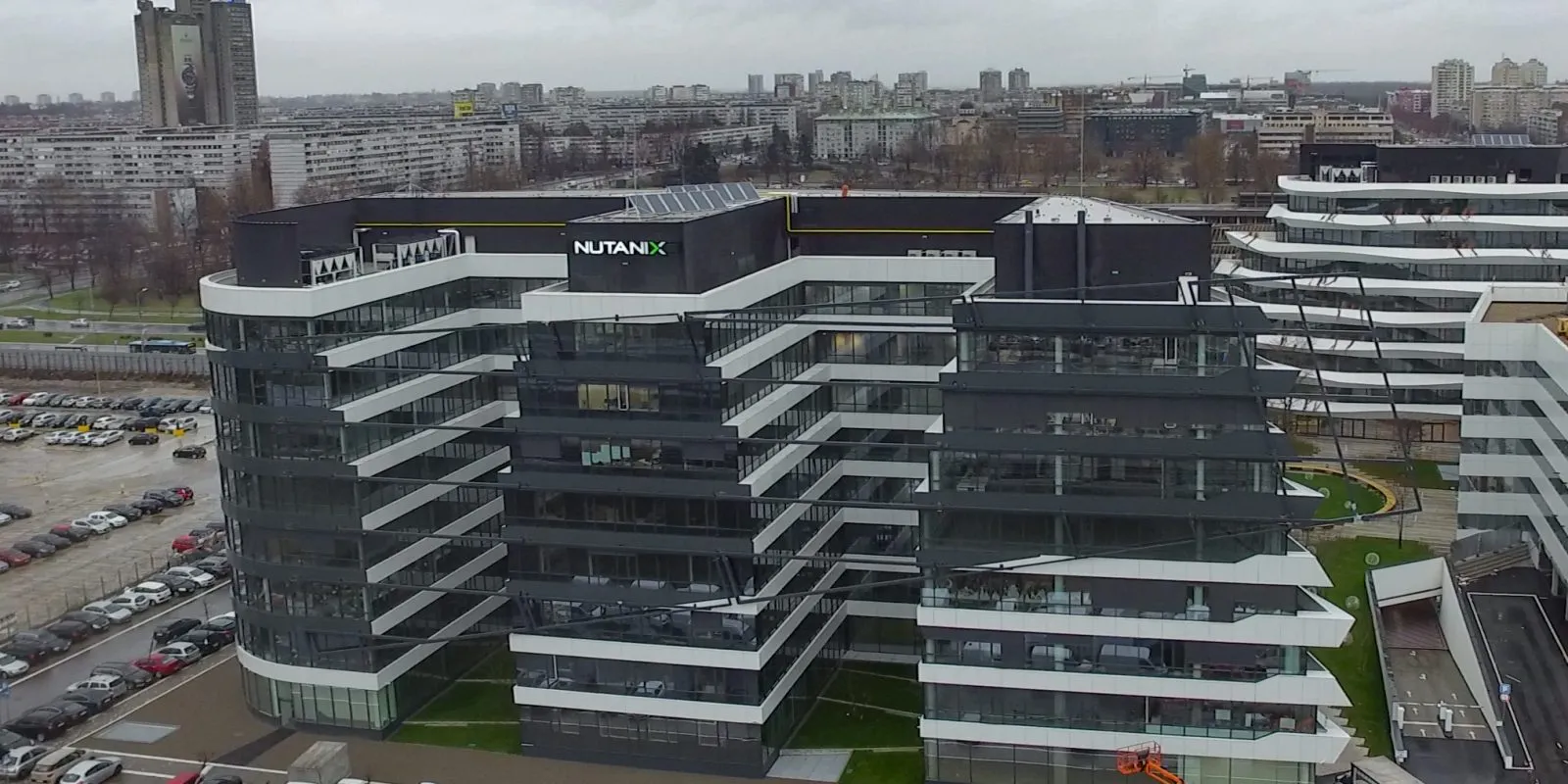
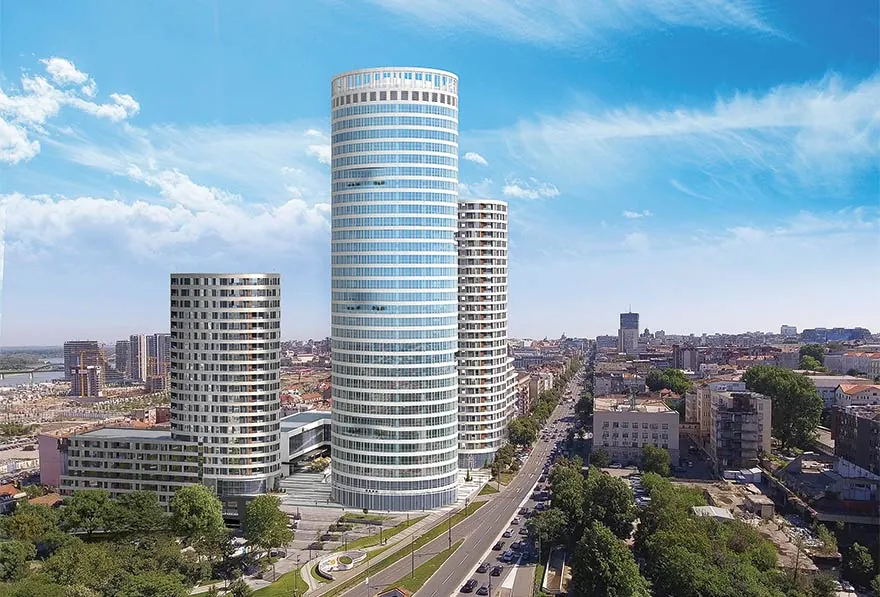
Selected projects across Serbia, Italy, Switzerland and beyond.
Whether you are producing declarations or specifying against them, the practical question is the same: what does each framework require of this product, and what evidence will a specifier ask to see.
The answer is specific to each product, and settling it early avoids preparing the same documentation twice.
01 Expertise
Producer and specifier experience
We guide manufacturers through the analysis and documentation behind an EPD, and we apply EPDs in whole-building assessments for project teams. Each side informs the other: knowing how a specifier will read the declaration shapes how it is prepared, and knowing how it was prepared shapes how much weight to give it.
02 standards
EN 15804 in full
Product category rules, module coverage and data quality are handled to the standard, so the declaration holds up when a project team or a verifier reads it closely.
03 guidance
Framework requirements
LEED, BREEAM and DGNB each set their own material requirements. We translate those into what a declaration needs to show, expressed in the procurement terms a manufacturer and a specifier both use.
04 professionalism
Data, not endorsement
We do not certify or endorse products. Our part is to make the data accurate and the requirements clear, and to leave the specification decision to the project team.
Related services
leed v5
LEED
The most widely used green-building rating system, across new construction, interiors, existing buildings and homes. We hold GBCI Proven Provider status for BD+C.
A European lifecycle-quality framework, strongest in Germany, Austria, Switzerland and Denmark. Ecology, economy and occupant quality are scored together, with lifecycle assessment and costing carrying much of the weight.
Whether you manufacture products or specify them, a short call is usually enough to map what the frameworks require and what producing or applying an EPD would involve.