Whole-building energy simulation, run early enough to influence the design. The model predicts how the building will perform before it exists, and it prices design alternatives in kilowatt-hours rather than opinions.
8760
hours of data per year
3
frameworks served: LEED, BREEAM, DGNB
modelling since
2003
What is Energy Modelling?
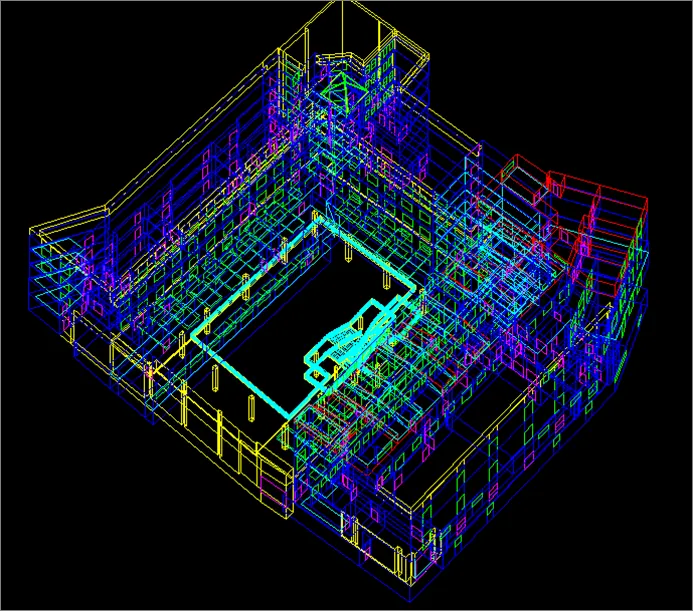
An energy model simulates a building's performance hour by hour across a reference year: envelope, systems, occupancy and climate together. It predicts consumption, comfort and peak loads before construction, and it shows what each design alternative would cost or save.
The value depends on timing. Run at concept stage, the model steers orientation, envelope and systems strategy. Run at the end, it can only document what was already decided. We run it early and keep it current as the design develops.
Certification depends on it too. LEED energy credits, BREEAM energy credits and DGNB's lifecycle calculations all draw from the simulation, so one model, properly maintained, serves both the design and the submission. We have been running energy models since 2003, building on more than twenty years of advanced HVAC design. The modelling often extends into related simulations (dynamic thermal, solar, airflow, daylighting and CFD), each of which has its own page in this section, and it lets what-if scenarios be tested before a decision is made.
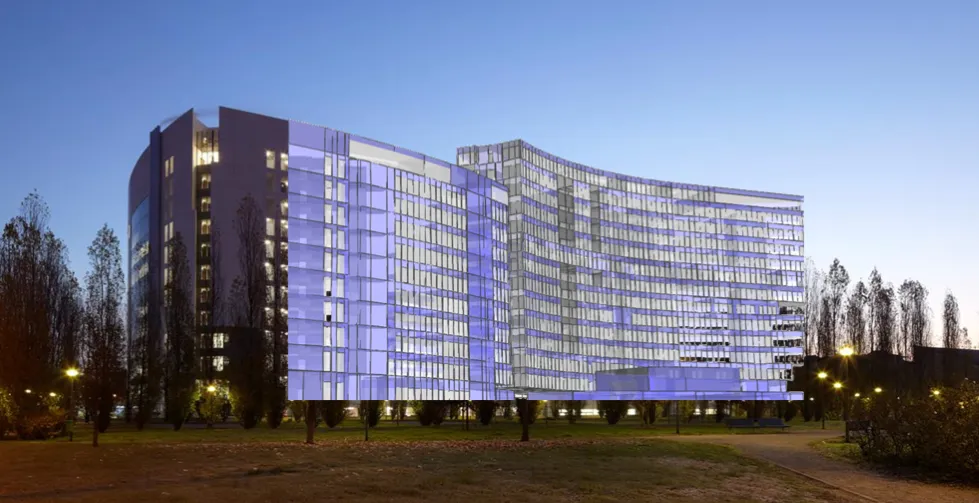
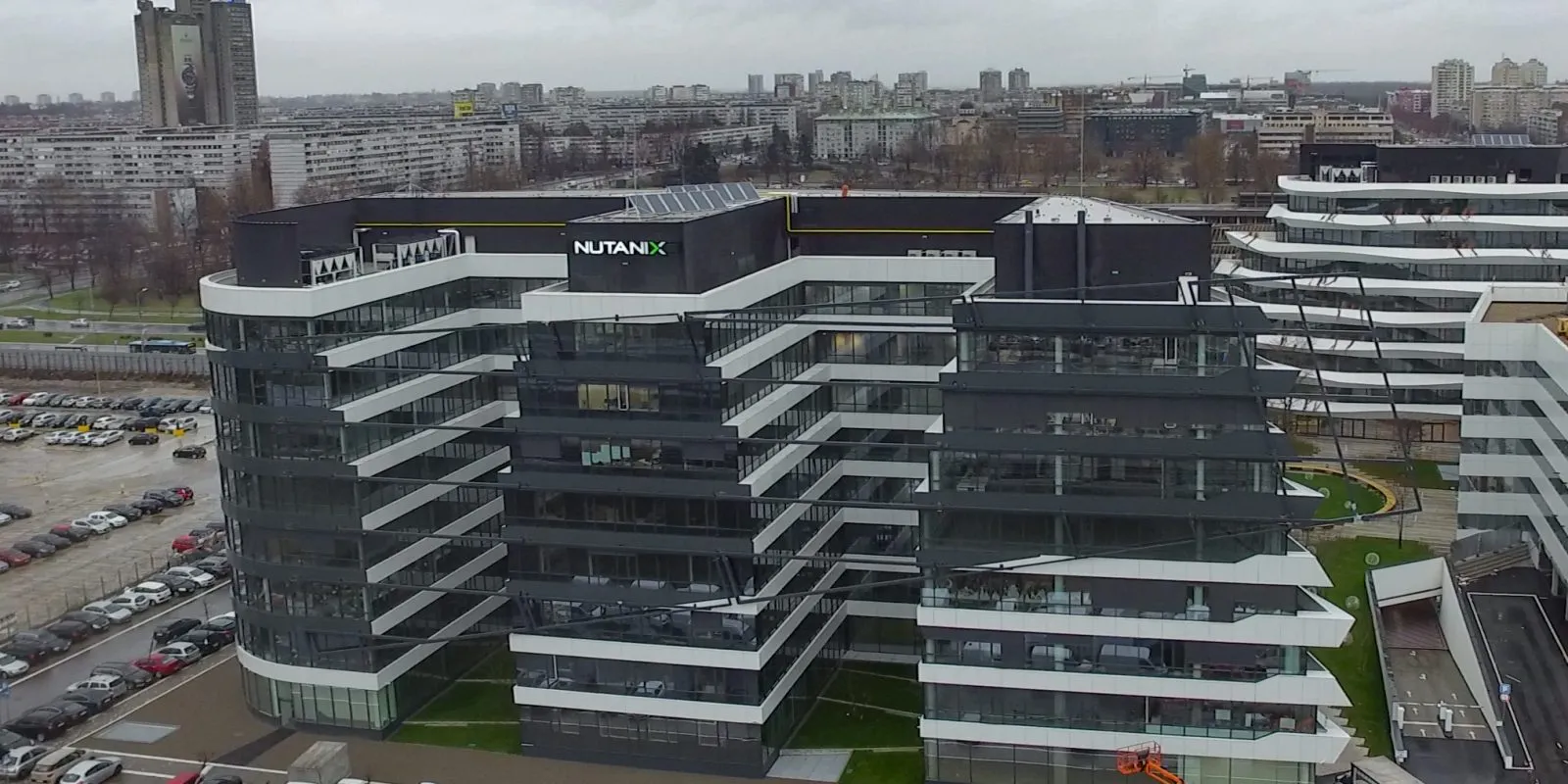
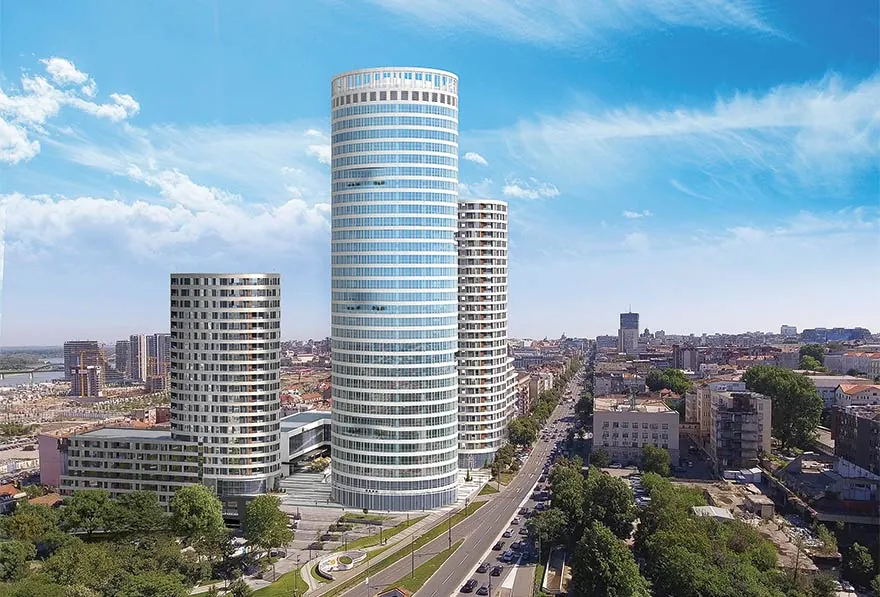
The service is also available to other practices. Architectural and engineering studios, and LEED APs and BREEAM Assessors working on their own certifications, can commission compliant energy modelling from us as a standalone piece of work. Projects we have modelled include Vodafone Village in Milan, the Adris headquarters in Zagreb, IT Park Inđija and the Italian Embassy complex in Belgrade.
the process
How Energy Modelling works
step 01
Baseline
Geometry, climate and use profiles established, and the reference case built to the applicable standard.
step 02
Alternatives
Envelope and systems options simulated and compared on energy, comfort and cost.
step 03
Integration
The chosen strategy carried into the design, with the model updated as decisions are made.
step 04
Compliance and handover
Certification outputs produced, and the model handed over as a reference for operation.
from our portfolio
Energy Modelling projects we've delivered
Energy modelling underpins the certification and MEP work across the portfolio.
A model is only as useful as its timing. Run at concept stage it can still change orientation, envelope and systems strategy. Run at the end, it can only describe decisions already made.
If a model is being commissioned mainly to satisfy a credit, most of what it could have offered the project has already been spent.
01 timing
Modelled from concept stage
The first simulation is produced when the design can still respond to it, usually at concept or early schematic stage. At that point, a finding about orientation or glazing costs a meeting to act on. Later, the same finding costs a redesign.
02 integration
Assumptions that match the design
When we also design the MEP systems, assumptions about plant efficiency, controls and operating profiles match what will be specified. When another firm designs them, we build those assumptions from their specification.
03 verification
Checked against measurement
Because we also test buildings after handover, modelled performance can be compared with measured performance. That comparison improves the assumptions in every model that follows.
04 efficiency
One model for many
LEED, BREEAM and DGNB each ask for energy calculations in a particular form. We produce them from a single maintained model, which keeps the results consistent and avoids building the simulation more than once.
Related services
MEP
MEP Design
Mechanical, electrical and plumbing design from concept to construction issue, engineered against a modelled performance target and verified after handover.
The most widely used green-building rating system, across new construction, interiors, existing buildings and homes. We hold GBCI Proven Provider status for BD+C.
Alignment assessed against the EU's technical screening criteria. Energy thresholds, climate adaptation and do-no-significant-harm conditions, verified rather than declared.
A short call is usually enough to identify which questions the simulation should answer for your project, and when it needs to start to answer them in time.